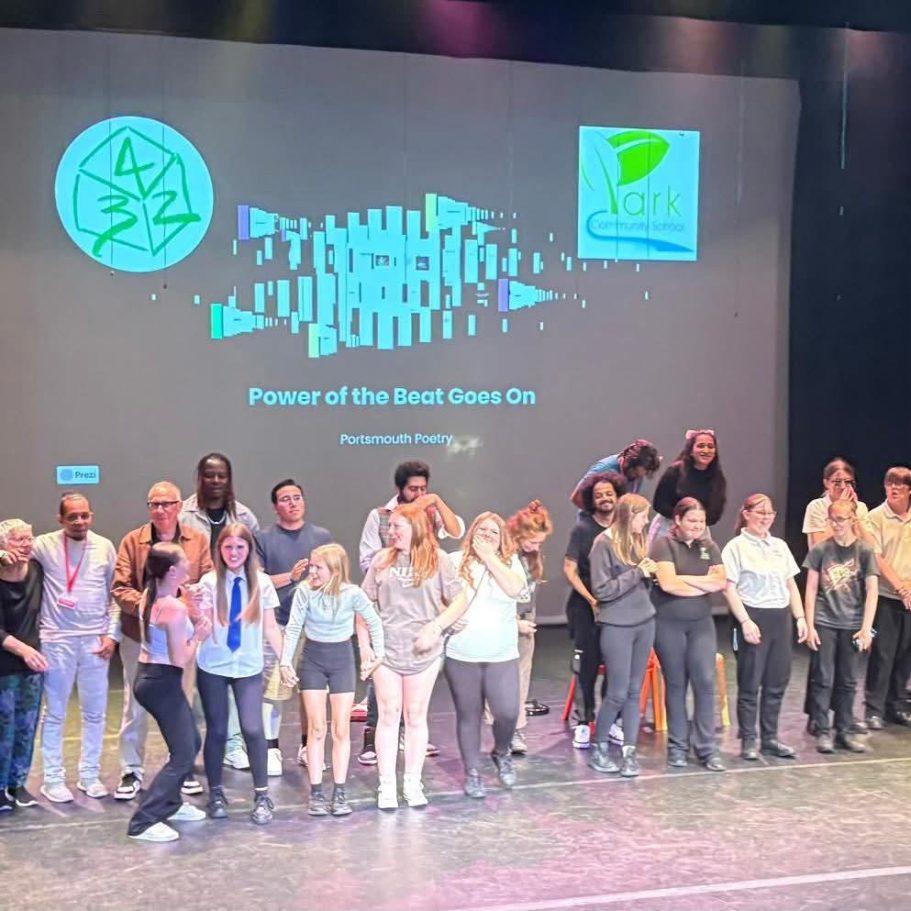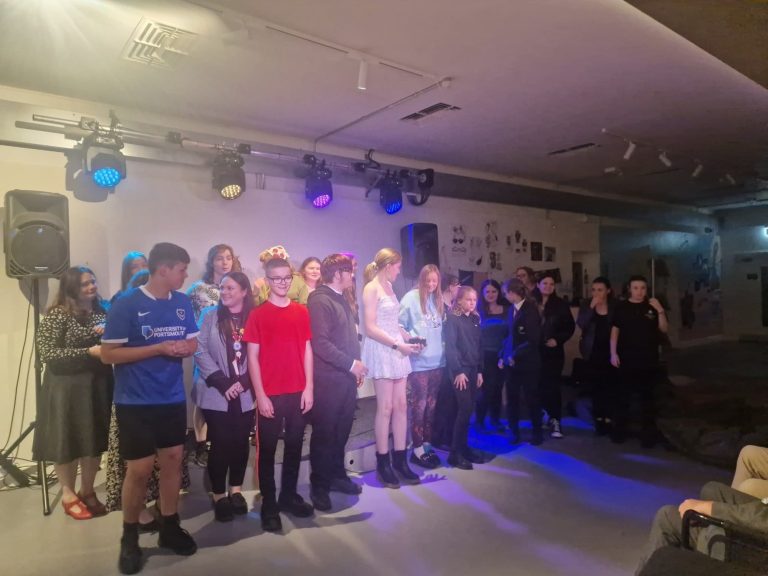
For many people, their first encounter with poetry happened in a classroom, reading printed lines from a page and trying to decipher the meaning hidden within them. While this is one way to experience poetry, it is far from the only one. Increasingly, poetry is returning to something closer to its roots: a live, spoken, shared experience.
Long before books were common, poetry was performed. Stories, histories, and ideas were carried through rhythm and voice, passed from one generation to the next through memory and performance. In that sense, today’s spoken word events and poetry readings are not an invention at all; they are a continuation of a very old tradition.
Poetry That Moves
There is something uniquely powerful about hearing poetry performed aloud. The tone of a voice, the rhythm, and the pauses between lines bring an extra layer of meaning to the words.
A poem on a page invites quiet reflection. A poem on a stage creates an atmosphere. The room becomes part of the poem itself: the audience reacting, the performer responding, the energy shifting from line to line.
This immediacy is one of the reasons spoken poetry has grown so popular in recent years. It transforms poetry into a shared moment rather than a solitary one.
Performance as Interpretation
When a poet performs their work, they are not just reading; they are interpreting. Each pause, emphasis, and gesture shapes how the poem is received. Two poets could perform the same poem in entirely different ways, highlighting different emotions or meanings.
This dynamic element keeps poetry fresh and alive. Every performance is slightly different, shaped by the audience, the venue, and the mood of the moment.
Opening the Door to New Audiences
Live poetry events have also helped introduce poetry to people who might never pick up a poetry book. Open mic nights, festivals, and community readings create welcoming spaces where anyone can listen, participate, or perform.
These events often blur the boundaries between poet and audience. Someone who attends to listen might eventually feel inspired to write or perform their own work. In this way, the community continues to grow, one voice at a time.
Keeping Poetry Alive
Poetry is not confined to libraries or literary journals. It lives in cafés, theatres, community halls, and cultural festivals. It lives in microphones passed between poets, in conversations after performances, and in the courage, it takes to share words with a room full of strangers.
The page will always remain an important home for poetry. But when poetry steps onto a stage, it reminds us of something essential: poetry is not only meant to be read—it is meant to be heard.
Subscribe To My Newsletter
BE NOTIFIED ABOUT BOOK SIGNING TOUR DATES
Donec fringilla nunc eu turpis dignissim, at euismod sapien tincidunt.